
A box trailer is one of the most versatile towing solutions available. Whether you’re moving household furniture, transporting landscaping supplies, carrying construction materials, or hauling recreational equipment, a quality box trailer can handle a wide variety of loads.
However, before loading up your trailer, it’s important to understand its weight limits. Exceeding your trailer’s capacity not only increases the risk of accidents but may also damage your trailer, reduce your vehicle’s performance, and breach Australian road regulations.
In this guide, we’ll explain what you can safely tow with a box trailer, how trailer weight ratings work, and how to ensure every trip is safe and compliant.
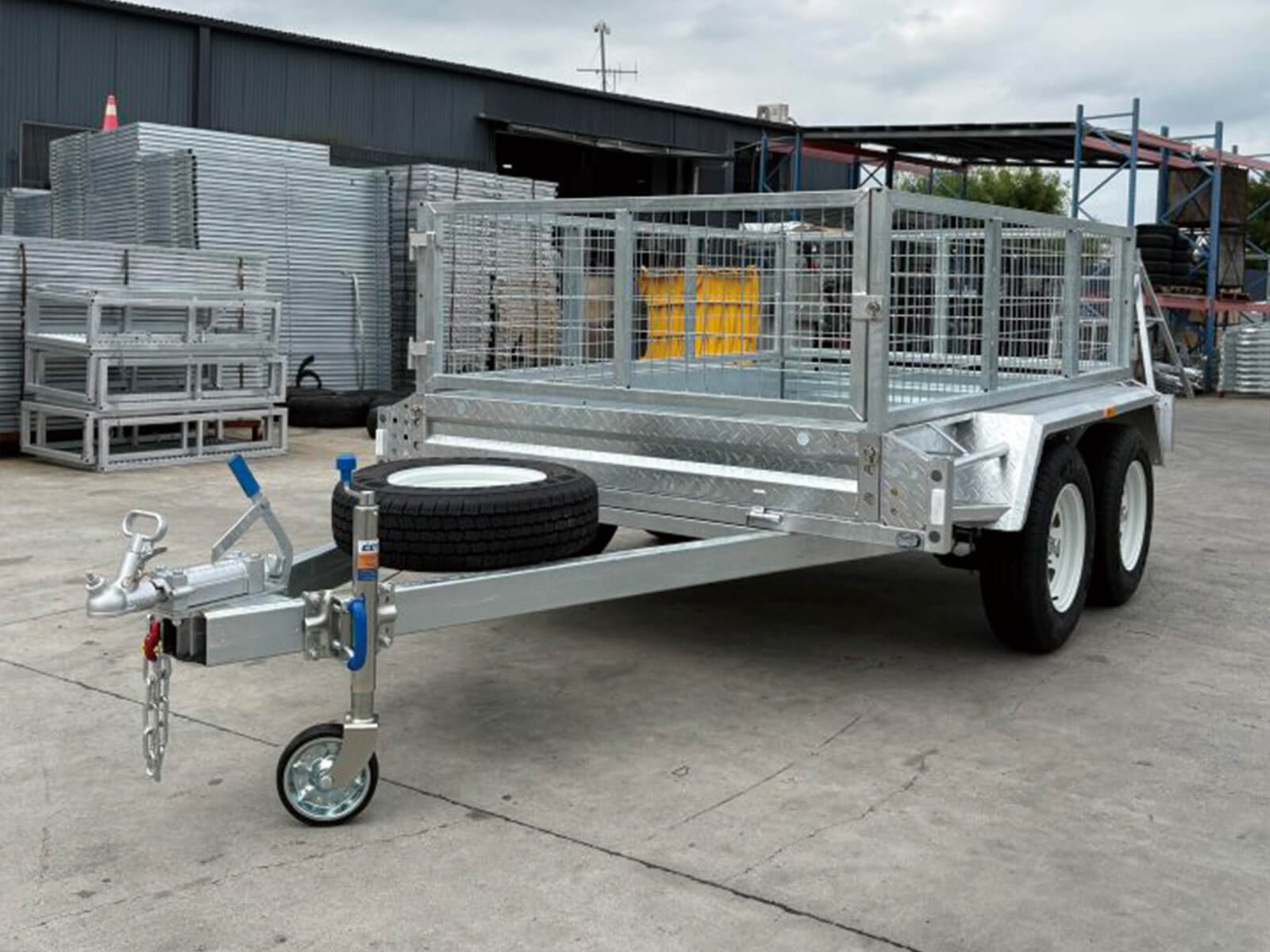
What Can You Tow with a Box Trailer?
The answer depends on two key factors:
- The trailer’s load capacity
- Your vehicle’s towing capacity
A quality box trailer is suitable for transporting a wide range of everyday and commercial loads, including:
- Garden waste and green waste
- Landscaping supplies such as soil, mulch, and gravel
- Furniture and household goods
- Building materials including timber, bricks, and cement
- Lawn mowers and gardening equipment
- Motorcycles and quad bikes (with suitable ramps)
- Small machinery and generators
- Camping equipment
- Sporting gear
- Business tools and equipment
Choosing the correct trailer size and weight rating ensures these loads can be transported safely without placing unnecessary stress on your tow vehicle.
Understanding Trailer Weight Ratings
Many first-time trailer owners are confused by the different weight terms used when buying a trailer. Understanding these ratings is essential for safe towing.
Aggregate Trailer Mass (ATM)
The Aggregate Trailer Mass (ATM) is the maximum legal weight of the fully loaded trailer when it is not connected to the tow vehicle.
ATM includes:
- The trailer itself
- Cargo
- Accessories
- Any additional equipment fitted to the trailer
You should never exceed the trailer’s ATM.
Gross Trailer Mass (GTM)
Gross Trailer Mass (GTM) refers to the maximum weight supported by the trailer’s wheels while it is attached to the towing vehicle.
Because some of the trailer’s weight is transferred to the tow ball, the GTM is always lower than the ATM.
Tare Weight
Tare weight is the empty weight of the trailer before any cargo or accessories are added.
Payload Capacity
Payload capacity is the amount of weight you can safely carry.
It is calculated as:
Payload = ATM – Tare Weight
For example:
- ATM: 1,500 kg
- Tare Weight: 450 kg
Maximum payload = 1,050 kg
Knowing your payload helps prevent overloading and ensures safer towing.
Your Tow Vehicle Matters Too
Even if your trailer has a high payload capacity, your vehicle must also be capable of towing the combined weight.
Always check your vehicle’s:
- Maximum braked towing capacity
- Maximum unbraked towing capacity
- Tow ball download limit
- Gross Combination Mass (GCM)
The lowest-rated component in your towing setup determines your maximum safe towing limit.
Ignoring your vehicle’s towing specifications may result in mechanical damage, poor handling, or unsafe braking performance.
Common Loads and Their Approximate Weights
Understanding the weight of common cargo helps avoid accidental overloading.
Typical examples include:
- Lawn mower: 40–80 kg
- Motorcycle: 180–250 kg
- Riding mower: 200–400 kg
- Timber packs: 300–800 kg
- Gravel or sand: 1 cubic metre can weigh over 1,500 kg
- Bricks: Approximately 2–3 kg each
- Household furniture: 300–800 kg for a typical room
- Landscaping mulch: Much lighter than gravel but still adds up quickly
Heavy materials such as gravel, concrete, bricks, and soil can exceed your trailer’s payload much faster than expected, so always estimate the total load before towing.
Why Overloading a Box Trailer Is Dangerous
Overloading affects far more than just your trailer.
Potential risks include:
- Reduced braking performance
- Tyre blowouts
- Suspension damage
- Bent chassis
- Increased fuel consumption
- Poor vehicle handling
- Trailer sway
- Excessive wear on bearings and axles
- Possible fines for exceeding legal weight limits
Overloading also places extra strain on your tow vehicle’s engine, transmission, and braking system.
A properly loaded trailer is not only safer but also easier and more comfortable to tow.
Tips for Safe Trailer Loading
Even when staying within the legal weight limits, how you load your trailer matters.
Follow these best practices:
- Place heavier items directly over or slightly in front of the axle.
- Distribute weight evenly from side to side.
- Secure all cargo using quality tie-down straps.
- Prevent loose materials from shifting during transport.
- Avoid stacking loads too high, as this raises the trailer’s centre of gravity.
- Check tyre pressures before every trip.
- Ensure lights, brakes, and safety chains are working correctly.
Balanced loading helps reduce trailer sway and improves stability on highways and uneven roads.
Do You Need Trailer Brakes?
In Australia, trailer brake requirements depend on the trailer’s Aggregate Trailer Mass (ATM).
Generally:
- Light trailers below certain weight thresholds may not require brakes.
- Heavier trailers must be fitted with compliant braking systems.
Always ensure your trailer meets the applicable Australian Design Rules (ADR) and state or territory regulations before towing.
Choosing the Right Box Trailer
When buying a box trailer, don’t simply choose the largest trailer available. Instead, select one that matches your intended use.
Ask yourself:
- What will I tow most often?
- How heavy are my typical loads?
- Does my vehicle have enough towing capacity?
- Will I need additional accessories such as cage sides or ramps?
- Will the trailer be used commercially or recreationally?
Investing in the right trailer today helps reduce maintenance costs and ensures safer towing for years to come.
Final Thoughts
A box trailer is an incredibly practical investment, but understanding weight limits is essential for getting the most from it. Knowing the difference between ATM, GTM, tare weight, and payload capacity allows you to tow confidently while protecting both your trailer and your vehicle.
Before every trip, check your load, confirm your vehicle’s towing capacity, and distribute the weight correctly. Following these simple steps will improve safety, extend the life of your trailer, and help you stay compliant with Australian road regulations.
Whether you’re hauling tools, building supplies, motorcycles, or weekend camping gear, choosing the right box trailer and respecting its weight limits ensures every journey is smooth, efficient, and safe.