
Buying a car trailer is a significant investment, whether you’re transporting everyday vehicles, race cars, project cars, or machinery. The right trailer offers years of reliable service, while the wrong choice can lead to safety issues, higher maintenance costs, and expensive upgrades.
Many buyers focus on price alone and overlook important factors such as towing capacity, trailer construction, braking systems, and future transport needs. To help you make an informed decision, we’ve compiled the ten most common mistakes people make when buying a car trailer—and how to avoid them.
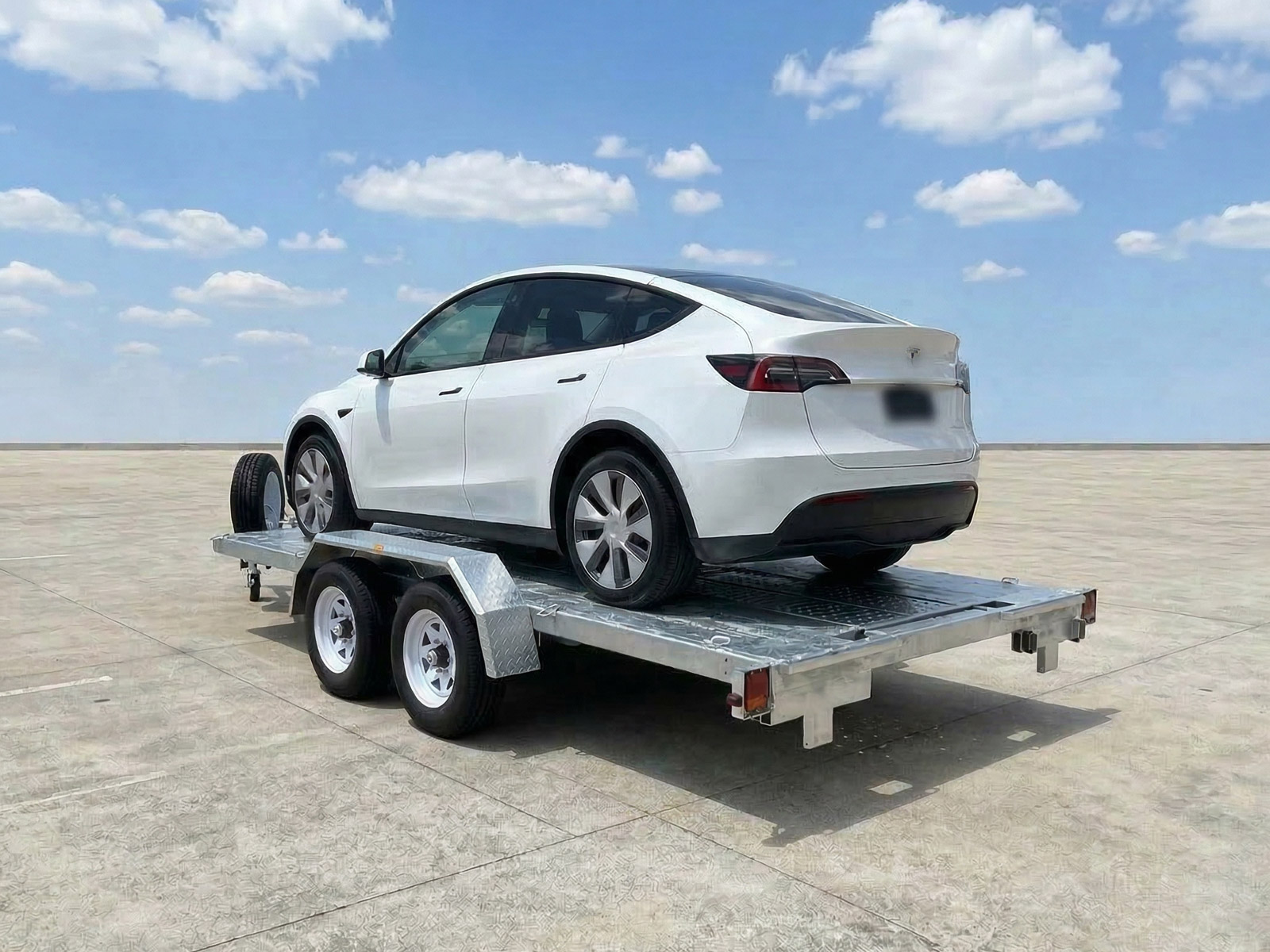
1. Choosing the Cheapest Trailer Instead of the Best Value
One of the biggest mistakes is purchasing a trailer based solely on price.
While a lower-cost trailer may seem like a bargain, cheaper models often use lower-grade materials, lighter frames, and lower-quality components that wear out more quickly.
Instead, compare:
- Build quality
- Steel thickness
- Suspension system
- Warranty
- Manufacturer reputation
- Available spare parts
Investing in a quality trailer can save thousands of dollars in repairs and replacements over its lifespan.
2. Ignoring Your Vehicle’s Towing Capacity
Not every vehicle can tow every trailer.
Before purchasing, check your vehicle’s:
- Maximum towing capacity
- Tow ball download limit
- Gross Combination Mass (GCM)
- Gross Vehicle Mass (GVM)
Your trailer should always fall within your vehicle’s legal towing limits when fully loaded.
Overloading your tow vehicle reduces braking performance, affects handling, and increases mechanical wear.
3. Buying the Wrong Trailer Size
Bigger isn’t always better.
Some buyers purchase oversized trailers “just in case,” while others choose trailers that are too small for their intended use.
Consider:
- The size of the vehicles you’ll transport
- Future transport needs
- Storage space
- Ease of manoeuvring
Selecting the right trailer size improves towing efficiency and reduces unnecessary costs.
4. Overlooking Weight Ratings
Many buyers focus only on trailer dimensions and forget to check weight ratings.
Understand the following:
- Aggregate Trailer Mass (ATM)
- Gross Trailer Mass (GTM)
- Tare weight
- Payload capacity
A trailer may physically fit your vehicle but still exceed its legal towing capacity when loaded.
Always calculate the combined weight before making your purchase.
5. Choosing the Wrong Trailer Type
There are different types of car trailers designed for different applications.
Examples include:
- Open car trailers
- Enclosed car trailers
- Tilt trailers
- Flatbed trailers
If you’re transporting luxury or classic vehicles, an enclosed trailer offers superior protection. For general vehicle transport, an open trailer often provides better value and easier loading.
Matching the trailer to your intended use ensures greater efficiency and long-term satisfaction.
6. Forgetting About Loading and Unloading
Loading convenience is often overlooked until the trailer is in regular use.
Features that make loading easier include:
- Tilt decks
- Full-width loading ramps
- Low loading angles
- Multiple tie-down points
- Electric winch compatibility
These features reduce loading time and improve safety, especially when transporting vehicles with low ground clearance.
7. Ignoring Build Quality
The trailer frame is the foundation of the entire unit.
Look for:
- Heavy-duty steel construction
- Fully welded chassis
- Reinforced cross members
- Quality suspension
- Galvanised corrosion protection
A well-built trailer is more resistant to flexing, twisting, and long-term structural fatigue.
In Australia’s harsh climate, corrosion-resistant finishes can significantly extend the trailer’s lifespan.
8. Overlooking Safety Features
Safety should never be treated as an optional extra.
Essential safety features include:
- ADR-compliant lighting
- Heavy-duty safety chains
- Reliable coupling
- Quality wheel bearings
- Suitable braking system
- Rated tie-down points
A quality trailer should meet Australian safety standards and provide confidence every time you tow.
9. Not Considering Future Needs
Many buyers purchase a trailer that only meets today’s requirements.
Ask yourself:
- Will I transport larger vehicles later?
- Could I use the trailer for business?
- Will I need accessories?
- Do I plan to travel long distances?
Choosing a slightly more versatile trailer today can eliminate the need for an expensive upgrade in the future.
Popular accessories include:
- Winches
- Toolboxes
- Spare wheel mounts
- LED lighting upgrades
- Stone guards
- Tie-down rails
10. Forgetting After-Sales Support
A trailer is a long-term investment, and support after purchase is just as important as the trailer itself.
Choose a reputable manufacturer or dealer that offers:
- Product warranties
- Spare parts availability
- Servicing support
- Expert advice
- Accessory options
Reliable after-sales service makes ownership easier and protects your investment over time.
Bonus Tip: Think Beyond the Purchase Price
The cheapest trailer isn’t always the most economical choice.
Consider the total cost of ownership, including:
- Maintenance
- Repairs
- Tyres
- Bearings
- Fuel efficiency
- Insurance
- Resale value
Higher-quality trailers often cost less to own over the long term because they’re built to last and retain their value better.
Final Thoughts
Buying a car trailer isn’t just about finding the lowest price—it’s about choosing a trailer that matches your vehicle, transport needs, and future plans. By avoiding these common mistakes, you’ll enjoy safer towing, lower maintenance costs, and greater peace of mind every time you hit the road.
Take the time to compare trailer types, verify towing capacities, inspect build quality, and choose a reputable manufacturer. A well-built car trailer is an investment that will provide reliable performance for many years, whether you’re transporting work vehicles, classic cars, or recreational equipment.
When in doubt, seek advice from experienced trailer specialists who can recommend a solution based on your towing requirements and intended use. Making the right decision today will save you time, money, and frustration in the future.