
Choosing the right flat top trailer isn’t just about picking a size and hitting the road. It’s about matching the trailer to your workload, your tow vehicle, and the conditions you’ll actually use it in. Whether you’re transporting machinery, construction materials, or agricultural loads, the right choice will improve efficiency, safety, and long-term value.
This guide walks you through the key factors that matter—so you can confidently invest in a trailer that works as hard as you do.
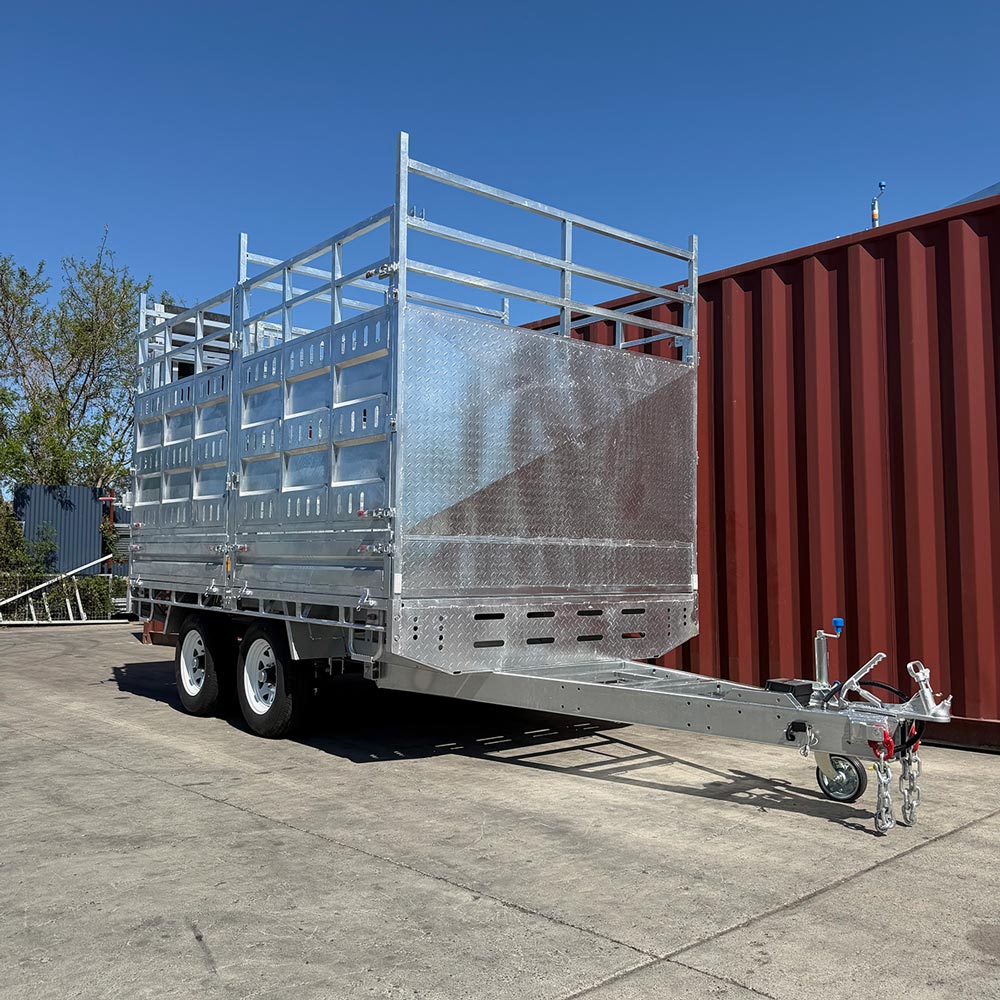
What Is a Flat Top Trailer—and Why It’s So Popular
A flat top trailer (also known as a flatbed trailer) is designed with an open deck and no fixed sides, allowing you to carry oversized or irregular loads with ease. This versatility is exactly why it’s widely used across construction, farming, landscaping, and logistics.
Unlike enclosed trailers, flat tops give you full access from all sides. This makes loading faster, securing cargo easier, and transporting large or awkward items far more practical.
Start with What You’re Hauling
The first—and most important—step is understanding your typical load. A contractor moving pallets of bricks has very different needs compared to someone transporting a mini excavator or farm equipment.
Think about the weight, size, and frequency of your loads. If your work involves light, occasional use, a smaller trailer may be enough. However, for regular heavy-duty use, you’ll need something more robust with higher capacity and better structural support.
Understanding Load Capacity (ATM)
One of the most critical specs to consider is the trailer’s Aggregate Trailer Mass (ATM)—the maximum weight the trailer can carry, including its own weight.
A 3500kg ATM trailer is often the go-to choice for general construction and trade work because it offers a strong balance between capability and compatibility with most vehicles. If you regularly transport heavier machinery, stepping up to a 4500kg ATM trailer provides extra strength and reliability, but it also requires a suitable towing setup.
Choosing the right ATM ensures both safety and compliance, while also preventing unnecessary strain on your vehicle.
Choosing the Right Trailer Size
Size directly impacts how efficiently you can transport your loads. A trailer that’s too small will limit what you can carry, while an oversized one may be harder to handle and store.
In general, smaller trailers are suited for light-duty tasks, while mid-sized options like 14×7 are ideal for everyday use across trades. Larger trailers, particularly those over 16 feet, are better suited for transporting vehicles, heavy equipment, or oversized materials.
The key is to choose a size that comfortably fits your typical load without leaving you constrained.
Materials and Durability Matter
A flat top trailer is a long-term investment, so durability should never be overlooked. Galvanised steel is one of the most reliable options, especially in harsh environments, as it provides excellent resistance to rust and corrosion.
It’s also important to pay attention to the overall build quality. A well-constructed chassis, strong welds, and a reinforced deck all contribute to a trailer that can handle demanding conditions over time.
Axles, Suspension, and Stability
The number of axles and the type of suspension system play a major role in how your trailer performs on the road. Tandem axle trailers are the most common choice because they offer better balance and weight distribution, especially for medium to heavy loads.
For heavier applications, tri-axle trailers provide additional support and stability. Meanwhile, a quality suspension system helps absorb shocks and ensures smoother towing, particularly on uneven surfaces.
Loading Options and Ease of Use
Loading efficiency can significantly impact your daily operations. The right setup makes transporting equipment quicker, safer, and less physically demanding.
Most flat top trailers are equipped with one of the following:
- Rear loading ramps for wheeled equipment
- Tilt decks for drive-on convenience
- Hydraulic systems for heavy-duty or frequent loading
If you regularly handle machinery or vehicles, choosing the right loading option can save time and improve safety.
Braking Systems and Safety Features
Safety is a critical factor when choosing a trailer, especially as load weight increases. Heavier trailers require more advanced braking systems to ensure proper control.
Key safety features to prioritise include:
- Electric brakes for controlled stopping
- Breakaway systems for emergency situations
In addition, secure tie-down points and proper lighting are essential for keeping your load stable and visible on the road.
Avoiding Common Buying Mistakes
Many buyers in Australia focus too heavily on price or size without considering how the trailer will perform in real-world conditions. Choosing a trailer with insufficient capacity can lead to safety issues, while selecting one that exceeds your vehicle’s limits can create legal and handling problems.
Another common mistake is overlooking durability. Investing in a well-built trailer from the start often saves money in the long run by reducing maintenance and replacement costs.
Finding the Right Flat Top Trailer for Your Needs
Ultimately, the best flat top trailer is one that aligns with your workload, towing capacity, and long-term needs. A well-chosen trailer not only improves efficiency but also ensures safer and more reliable transport.
If you’re ready to explore options, contact us to know more about our heavy-duty flat top trailers built for Australian conditions.
Final Thoughts
Choosing the right flat top trailer is about making an informed decision—not a rushed one. By understanding your load requirements, selecting the appropriate capacity and size, and prioritising durability and safety, you can invest in a trailer that delivers reliable performance for years to come.
Frequently Asked Questions
What Size of Flat Top Trailer Do I Need?
The right size depends on your load. Smaller trailers are suitable for light tasks, while mid-sized options like 14×7 are ideal for general use. Larger trailers are best for heavy equipment and vehicles.
What is the Best ATM for a Flat Top Trailer?
A 3500kg ATM suits most general applications, while 4500kg is better for heavy-duty use. Always ensure your towing vehicle can handle the load safely.
Do Flat Top Trailers Need Brakes?
Yes. Trailers above certain weight limits require braking systems such as electric brakes and breakaway units for safety and legal compliance.
Are Flat Top Trailers Suitable for Heavy Equipment?
Yes, their open design makes them ideal for transporting machinery, vehicles, and oversized loads.