
A flat top trailer is a versatile transport solution for businesses, tradies, farmers and individuals who need to move bulky, heavy or awkwardly shaped loads. With an open, level deck and no fixed side walls or roof, it provides greater flexibility when loading and transporting items that may not fit inside an enclosed trailer.
From construction materials and machinery to vehicles, agricultural supplies and recreational equipment, flat top trailers can handle a wide range of transport tasks when the trailer is correctly configured for the load.
If you are considering a flat top trailer for work or personal use, understanding what you can transport will help you choose the right trailer size, payload capacity and features for your needs.
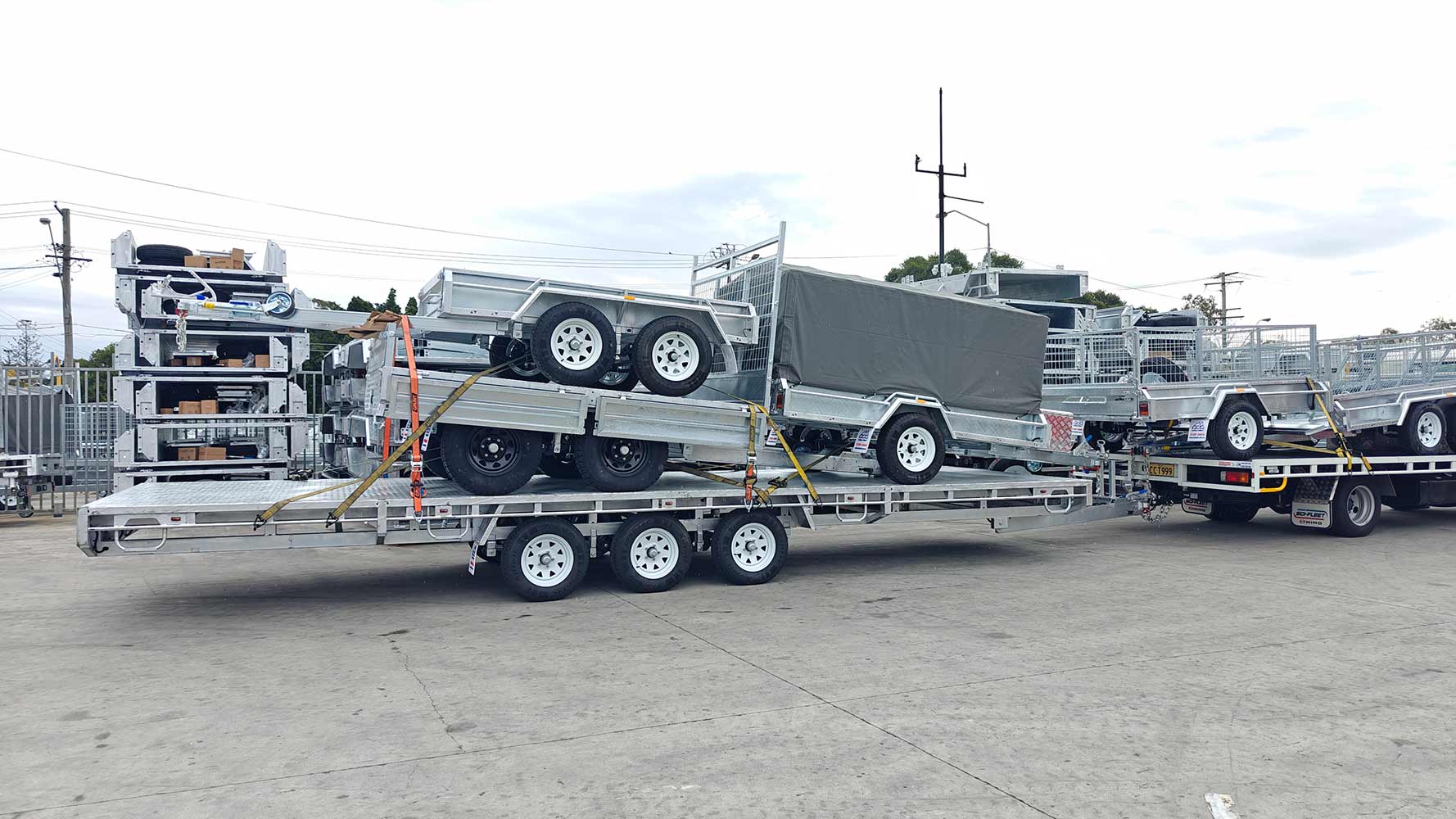
1. Construction and Building Materials
Flat top trailers are widely used in the construction industry because they provide a practical way to transport long, bulky and irregularly shaped materials between suppliers, warehouses and job sites.
Common construction materials transported on flat top trailers include:
- Timber and steel: Timber packs, steel beams, metal lengths, pipes and structural components.
- Building supplies: Bricks, pavers, cement bags and other packaged construction materials.
- Roofing materials: Roof sheets, cladding, metal panels and other long building products.
- Doors and windows: Building components that require a stable, flat loading surface.
- Scaffolding and formwork: Frames, planks, supports and other equipment used on construction sites.
- Plasterboard and sheet materials: Large panels that require suitable support and secure positioning.
The open deck makes it easier to load long materials and arrange different types of cargo. However, the trailer must have sufficient deck length, width and payload capacity for the intended load.
When transporting building materials, distribute the weight evenly and secure every item using appropriate tie-down points, straps or restraints. Long loads may also require additional precautions to prevent movement during travel.
2. Machinery and Heavy Equipment
Flat top trailers can be useful for transporting machinery and equipment between construction sites, workshops, farms and industrial facilities. Their open design allows easier access for loading and unloading, particularly when suitable ramps or loading equipment are available.
Depending on the trailer’s specifications and rated capacity, common loads may include:
- Mini excavators and compact earthmoving equipment
- Skid steer loaders
- Scissor lifts and other compact access equipment
- Generators and air compressors
- Welding equipment and industrial machinery
- Heavy toolboxes and site equipment
- Pumps, compressors and other portable plant
Before transporting machinery, check its operating weight, dimensions, ground clearance and loading requirements. The combined weight of the machine, attachments and any additional equipment must remain within the trailer’s permitted payload and axle limits.
Machinery should be loaded and restrained according to the manufacturer’s instructions and applicable transport requirements. Heavy equipment may require specialised ramps, suitable tie-down points or a trailer specifically designed for plant transport.
3. Vehicles and Automotive Equipment
Another common application for flat top trailers is transporting vehicles and automotive equipment. The open platform can accommodate certain vehicles and recreational equipment, provided the trailer has the appropriate dimensions, load capacity and loading features.
Examples include:
- Project cars and non-running vehicles
- All-terrain vehicles (ATVs)
- Side-by-side utility vehicles (UTVs)
- Dirt bikes and motorcycles
- Small farm tractors
- Automotive parts and workshop equipment
When choosing a flat top trailer for vehicle transport, consider the vehicle’s wheelbase, overall length, width and weight. Loading ramps and suitable wheel restraints are also important for safe loading and unloading.
For heavier vehicles, a purpose-built car trailer may be more appropriate. Always check that the trailer is rated for the vehicle being transported and that the load is secured against forward, backward and sideways movement.
4. Boats and Recreational Equipment
Flat top trailers can also transport selected recreational items, making them useful for people who need to move equipment between storage locations, workshops and outdoor destinations.
Depending on the load and trailer configuration, possible applications include:
- Jet skis
- Small boats designed for suitable flat-deck transport
- Camping equipment
- Outdoor furniture and bulky recreational gear
- Landscaping and sporting equipment
However, not every boat or recreational item is suitable for a standard flat top trailer. Watercraft may require specialised supports, cradles or a purpose-built boat trailer to protect the hull and provide adequate stability.
Before loading recreational equipment, check its dimensions, weight, support requirements and tie-down points. Protect fragile surfaces and ensure the load remains stable throughout the journey.
5. Agricultural and Farming Supplies
Farmers and agricultural businesses often need to transport equipment and supplies across farms, between properties and to rural work sites. Flat top trailers can provide a flexible option for carrying a variety of agricultural loads.
Typical applications include:
- Hay bales and bagged livestock feed
- Fencing posts, wire and gates
- Farm tools and maintenance equipment
- Irrigation pipes and agricultural fittings
- Seeders and selected compact implements
- Pumps, generators and portable farm machinery
The flat deck makes it easier to arrange bulky supplies and transport longer items that may be difficult to accommodate in an enclosed trailer.
For agricultural use, choose a trailer that can handle the weight and dimensions of the equipment or supplies you regularly move. Loads should be distributed evenly and secured to prevent shifting, particularly when travelling on uneven rural roads.
6. Landscaping Materials and Garden Supplies
Landscapers, gardeners and property maintenance businesses can also benefit from the flexibility of flat top trailers. They can be used to transport equipment and materials between suppliers, residential properties and commercial job sites.
Common loads include:
- Turf rolls and landscaping supplies
- Pavers and packaged stone products
- Timber sleepers and garden edging
- Plants, pots and garden structures
- Lawn mowers and selected landscaping machinery
- Tools and maintenance equipment
For landscaping businesses, a flat top trailer can simplify the transport of materials with different shapes and dimensions. However, loose materials such as soil, sand and gravel may spill from an open deck unless suitable containment is provided.
If you regularly transport loose aggregates, a purpose-built tipper trailer or a flat top trailer fitted with an appropriate containment system may be a better choice.
7. Commercial Goods and Industrial Supplies
Flat top trailers are not limited to construction and farming. They can also support general commercial transport where businesses need to move large items, packaged goods or industrial supplies.
Depending on the trailer’s capacity and configuration, these loads may include:
- Palletised goods
- Warehouse equipment
- Industrial components
- Commercial fixtures and fittings
- Large furniture and bulky stock
- Manufacturing materials and fabricated products
The open deck allows flexible loading arrangements and can make certain items easier to access than they would be in an enclosed trailer.
For commercial use, consider the loading method, forklift access, deck dimensions and availability of suitable restraint points. Palletised goods must be properly restrained, and the total load must remain within the trailer’s rated capacity.
What Should You Consider Before Loading a Flat Top Trailer?
Although flat top trailers can carry many types of cargo, safe transport depends on selecting the right trailer and preparing the load correctly.
Consider the following factors before loading:
1. Payload capacity
Check the trailer’s tare mass and Aggregate Trailer Mass (ATM). Payload is generally calculated as the permitted ATM minus the trailer’s tare mass, subject to the applicable axle, coupling, tyre and towing vehicle limits. Remember that accessories and added equipment may reduce the available payload.
2. Trailer dimensions
Ensure the deck is long and wide enough to accommodate the load. Items that extend beyond the trailer may be subject to additional requirements for load projection, warning signals or permits.
3. Load distribution
Position cargo to maintain appropriate balance and tow-ball download. Avoid concentrating excessive weight in one area or placing the load in a way that compromises stability.
4. Load restraint
Use suitable rated straps, chains, anchor points or other restraints appropriate to the cargo. Loads must not shift, fall or create a hazard during transport.
5. Loading and unloading access
Consider whether you need ramps, forklift access or lifting equipment. Heavy machinery and vehicles may require specialised loading arrangements.
6. Legal and towing requirements
Check the trailer’s ratings, the towing vehicle’s capacity, registration requirements and applicable Australian road rules. Oversized or overweight loads may require additional arrangements or permits.
Is a Flat Top Trailer Right for Your Needs?
A flat top trailer can be a practical choice when you regularly transport materials or equipment that require an open, level loading platform. It is particularly useful for builders, tradies, farmers, landscapers and businesses handling bulky or irregularly shaped cargo.
The right option depends on what you transport most often, how heavy the load is, the required deck dimensions and how you plan to load and unload it.
If you need enclosed storage, a box trailer may be more suitable. For transporting loose aggregates, a tipper trailer may offer greater convenience. If you regularly carry vehicles or heavy machinery, consider a trailer specifically designed for those applications.
Choosing a trailer that matches your everyday transport requirements can improve loading efficiency and help ensure safer, more reliable journeys.
Explore Flat Top Trailers at Century Trailers
Looking for a trailer to transport building materials, machinery, agricultural supplies or other bulky loads? Explore the range of flat top trailers at Century Trailers to find an option suited to your transport requirements.
Consider the trailer’s dimensions, payload capacity and available features before making your decision. If you are unsure which configuration is right for your work, contact Century Trailers to discuss your intended loads and towing requirements.
Choose a flat top trailer that suits your cargo, supports your workload and delivers the flexibility you need for everyday transport.